

A head injury can change your life in ways you never expect. Some changes appear right away. Others show up slowly and affect your daily routines.
Many people do not realize how deeply blunt force trauma can affect personal relationships, emotions, habits, and independence. The impact goes far beyond the physical injury. Understanding these changes can help you notice the signs early and get the support you need.
This guide explains how a head injury can disrupt different parts of your life. It gives a clear picture of the challenges people face after this kind of trauma.
Changes in Memory and Thinking
One of the first areas affected is your ability to think clearly. After a head injury, many people notice that thinking takes more effort than before.
You might forget appointments, lose track of conversations, or struggle to stay focused. Simple tasks like making a grocery list or following a recipe may feel harder. These changes can make daily life frustrating.
Some people describe it as having a “foggy mind.” This fog can make work, study, and even casual social activities more stressful.
Emotional Shifts You May Not Expect
Head injuries can affect how you manage emotions. This happens because the brain controls mood, reactions, and stress responses.
You may feel:
- Irritable
- Sad or anxious
- Easily overwhelmed
- Sensitive to noise or crowds
- Quick to anger
These emotions can appear without warning. You may not understand why you feel this way. Your family may not understand it either. This can create tension at home and with friends.
Impact on Work and Daily Responsibilities
Returning to work after a head injury is not always simple. Tasks that once felt easy may now take longer. You may lose track of details, struggle with instructions, or need more breaks.
Even if your job is not physically demanding, mental fatigue can slow you down. This can affect your confidence and performance. Some people worry about keeping their jobs or adjusting to new limitations.
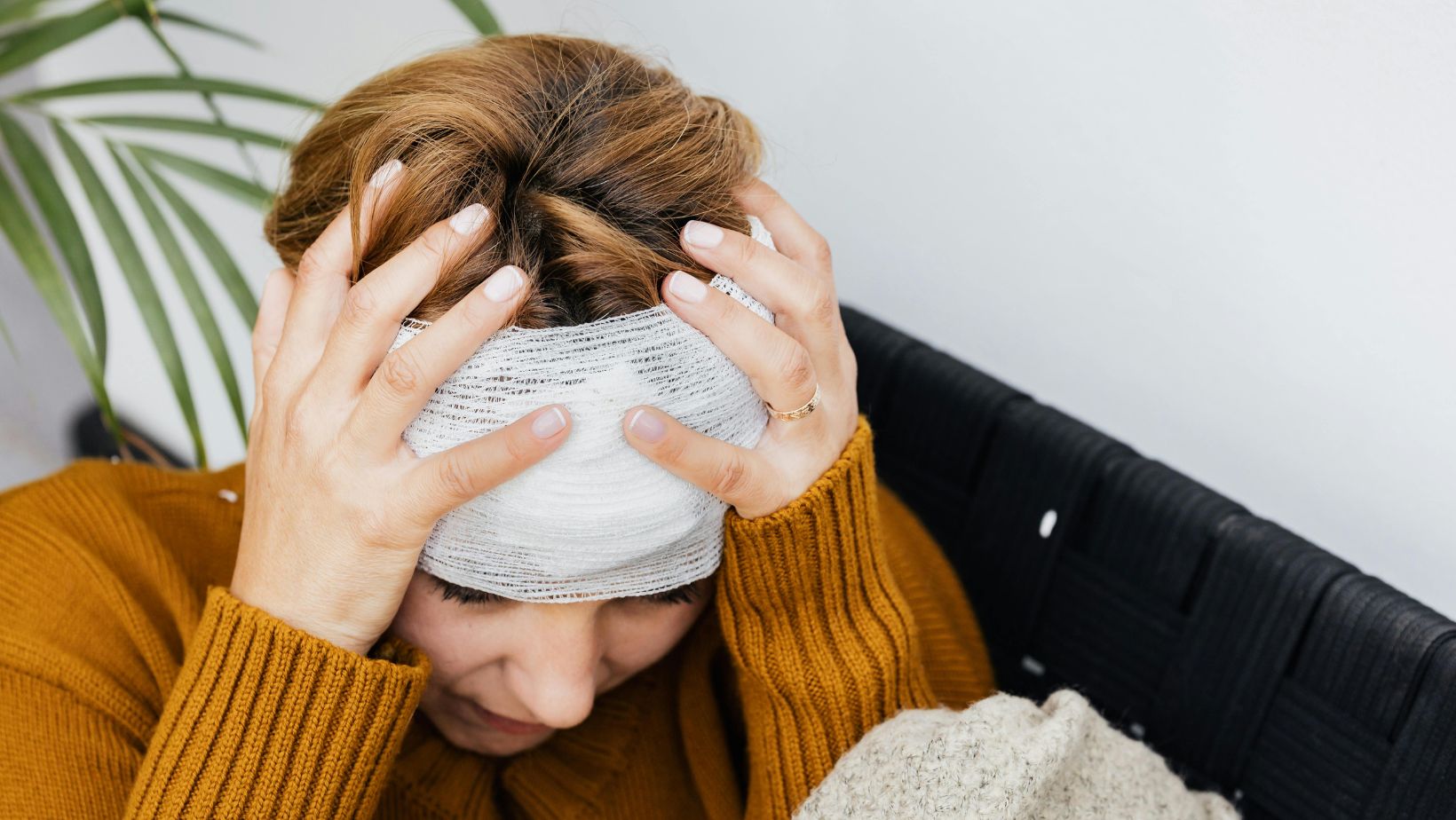
Daily tasks at home can also feel different. Managing bills, caring for children, and planning schedules might require more help and patience.
Relationships and Social Life
A head injury can change how you connect with people. You may feel more tired than before or prefer quiet time alone. Social gatherings might drain your energy. Loud environments may feel overwhelming.
Friends and family may not know how to respond. They may think you are ignoring them or avoiding social time.
Physical Changes and Limitations
Blunt force head injuries often come with physical symptoms that affect your daily routine. You may experience:
- Headaches
- Dizziness
- Balance problems
- Light sensitivity
- Sleep disturbances
These symptoms can make it hard to work, drive, or exercise. Even activities you once enjoyed, like reading or watching television, may feel uncomfortable.
Loss of Independence
Many people find it difficult to accept help after a head injury. You may feel frustrated if you cannot complete tasks the way you used to. Something as simple as driving, cooking, or handling errands may require assistance.
This shift can affect your confidence. It can also affect the way you see yourself. These feelings are common and nothing to be ashamed of. Support from family, friends, and medical professionals can help you regain as much independence as possible.
Lifestyle Adjustments You May Need to Make
Recovery often means adjusting your daily habits. You may need to:
- Rest more often
- Limit screen time
- Add breaks between activities
- Set reminders for tasks
- Avoid stressful environments
These changes help protect your brain as it heals. Over time, many people find a new routine that supports their physical and emotional health.
Finding the Support You Need
Life after a head injury can feel uncertain, but you do not have to face it alone. Support groups, therapy, medical care, and legal guidance can help you understand your options.
Talking with professionals who understand brain injuries can make a major difference. They can help you track your progress and find strategies for daily challenges.
Key Takeaways
- A head injury affects more than your physical health.
- Memory, focus, and emotional control may change.
- Work, relationships, and daily responsibilities can feel harder.
- Physical symptoms can limit your usual activities.
- Support from loved ones and professionals can help you adjust.
- Healing takes time, patience, and the right tools.
More Stories
Ureaplasma and Infertility: Causes, Risks, and Treatment
Why Humidity Matters in Cannabis Environments
Safety and Hygiene Practices for Using Adult Pleasure Toys