
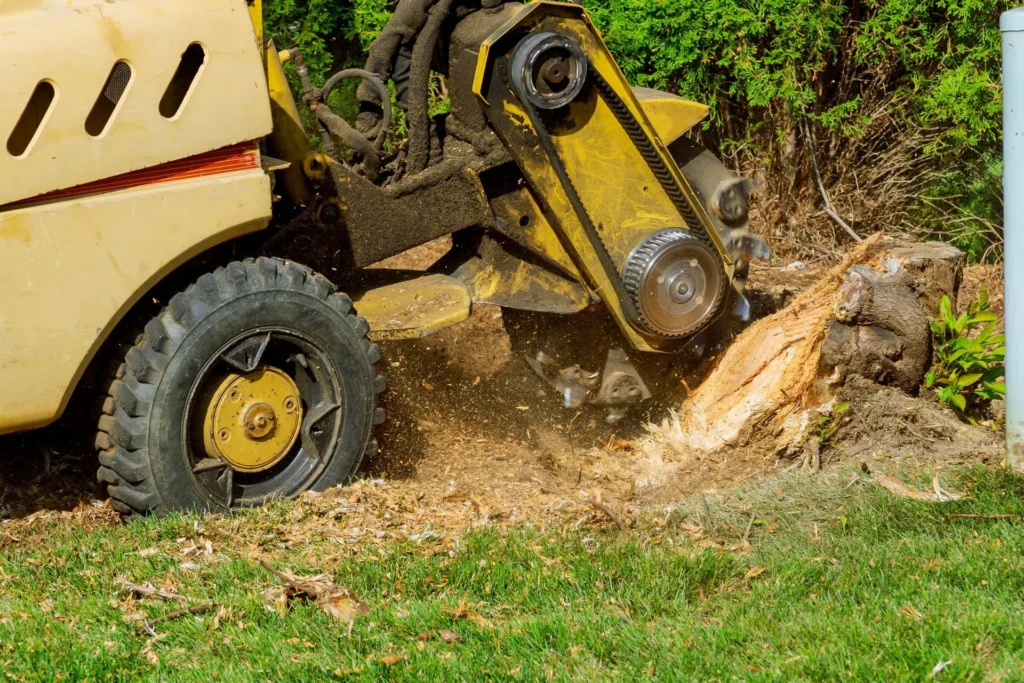
When a tree is removed from a yard, many property owners assume the job is finished once the trunk and branches are cleared away. However, the remaining stump can continue to affect the landscape in ways that are often overlooked. A leftover stump is not only a visual distraction but can also interfere with soil conditions, lawn growth, and long-term property maintenance. Removing the visible portion of a tree without addressing the stump leaves part of the root system behind, which may continue influencing the surrounding environment. We will explore why stump grinding plays a significant role in a complete tree service process and how it contributes to safety, landscape usability, and overall property management. Addressing the stump ensures the area can recover properly and become functional again, allowing homeowners to restore their outdoor spaces effectively.
Practical Reasons Stump Grinding Strengthens Tree Service Outcomes
- Eliminating Safety Hazards in Outdoor Areas
Tree stumps can become a safety concern, particularly in residential yards where people frequently walk, play, or maintain landscaping. A stump protruding from the ground can easily become a tripping hazard for children, guests, or property owners performing yard work. Even when the stump is relatively low to the ground, it may remain hidden under grass, leaves, or snow, increasing the risk of accidents. Stump grinding addresses this issue by mechanically reducing the stump below ground level, allowing the surface to be leveled and integrated back into the surrounding soil.
This process helps restore smooth terrain across the landscape. A professional tree service company can ensure the stump is ground efficiently, allowing homeowners to mow their lawns, walk through their yards, and use outdoor spaces without worrying about hidden obstacles. Removing the stump also protects landscaping equipment such as lawnmowers and trimmers from damage that could occur if the machine strikes solid wood buried just below the grass surface.
- Preventing Pest Activity and Wood Decay Problems
A leftover stump becomes a natural site for decay once the tree has been removed. Over time, moisture and organic breakdown attract insects that feed on rotting wood. Termites, beetles, ants, and other pests often settle inside aging stumps because they provide shelter and a consistent food source. Once these insects establish themselves in the stump, they may gradually spread to nearby trees, wooden fences, or even structural elements of a house.
Stump grinding disrupts this cycle by removing the majority of the remaining wood and exposing the area to air and sunlight. Without the dense stump structure, insects lose the protected environment they rely on for nesting. Additionally, the grinding process produces wood chips that can be reused as mulch or removed entirely, depending on the landscaping plan. This step reduces the likelihood of decay-related pest colonies forming in the yard and contributes to a healthier environment.
- Allowing New Landscaping Opportunities
After a tree has been removed, property owners often want to reclaim the space for new landscaping ideas. However, a stump can limit these plans by occupying ground that could otherwise support grass, plants, or garden features. Large stumps also prevent the soil from being properly leveled, making it difficult to create a clean landscape design. Stump grinding breaks the stump into small wood particles and reduces it below the soil surface. Once the grinding is complete, the area can be filled with fresh soil and prepared for planting. This flexibility allows homeowners to install new turf, flower beds, shrubs, or even hardscaping features such as patios or walkways. By clearing underground obstructions, stump grinding helps transform an unused patch of land into an area that enhances the property’s overall appearance and functionality.
- Supporting Lawn Maintenance and Equipment Access
Routine lawn care becomes more complicated when stumps remain scattered across a yard. Mowing around these obstacles requires additional effort, and trimming close to the stump can be time-consuming. In many cases, the stump is surrounded by tall grass or weeds because equipment cannot easily reach the base. Over time, this creates uneven lawn conditions and increases the amount of maintenance required to keep the yard looking tidy. Stump grinding eliminates this problem by removing the physical barrier that interrupts mowing patterns.
Once the stump is ground below the soil surface, grass can grow evenly across the area. This creates a continuous lawn that can be maintained with standard mowing equipment without frequent interruptions. The process also improves access for landscaping tools and irrigation systems, ensuring that the entire yard can be maintained consistently without navigating around leftover tree remnants.
Stump grinding plays a vital role in completing the tree removal process and restoring the functionality of outdoor environments. While removing the trunk and branches clears the immediate structure of a tree, the stump remains a lingering part of the original plant that can continue to affect the landscape. Grinding the stump below ground level helps address safety concerns, pest activity, and long-term maintenance challenges that might otherwise arise. It also opens new possibilities for landscaping, lawn growth, and property improvements by freeing the ground for future use.
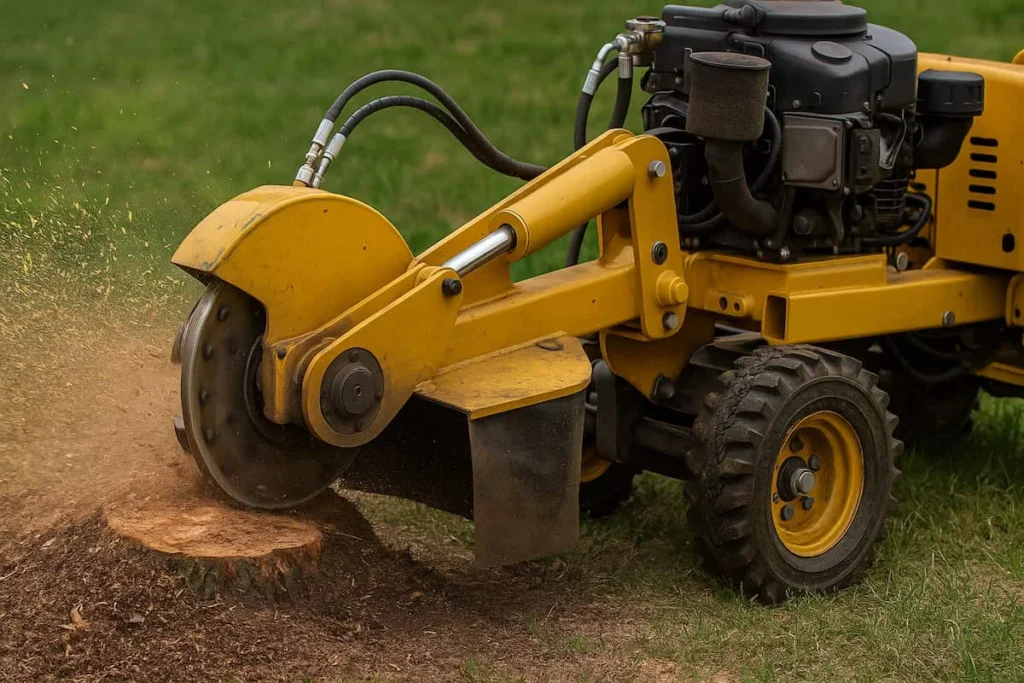
When incorporated into a comprehensive tree service plan, stump grinding ensures that the removal process truly restores the area rather than leaving behind a permanent obstacle. By addressing what remains below the surface, property owners can maintain cleaner, safer, and more adaptable outdoor spaces that continue to evolve with their landscaping goals.
More Stories
Dataphishing Restore Nothidnett: A Practical Guide To Detect, Recover, And Prevent Data-Phishing Attacks In 2026
Pomegranate Cybertrade XPNothiden: Inside The New Cross‑Platform Cybersecurity Marketplace (2026 Guide)
Nothidzer Digital Footprint Tracker: How To Find, Control, And Protect Your Online Footprint In 2026