

When you see an athlete standing atop the podium to the sound of the national anthem, you immediately get a certain level of respect for them. Everything works in favor of making the moment as glorious as possible, thanks to the beauty of gold medals, a sparkling smile, and perfect form create the illusion of absolute well-being. But behind this facade lies a complex system of psychological pressure, strict controls, and a fragile reputation that can be destroyed by one wrong move. An athletic career is not just training and competition; it is living in a «glass house», where every step is captured by cameras, discussed on social media, and judged by sponsors.
You should forget about sports being associated with physicality. It has become more advanced, a global entertainment industry, where athletes are brands, assets, and role models all rolled into one. All this puts significant pressure on athletes that extends beyond the football field or the track. The constant pressure to meet societal expectations creates a colossal cognitive load, which often leads to burnout even before peak physical fitness is reached.
Psychological Pressure: Expectations vs. Reality
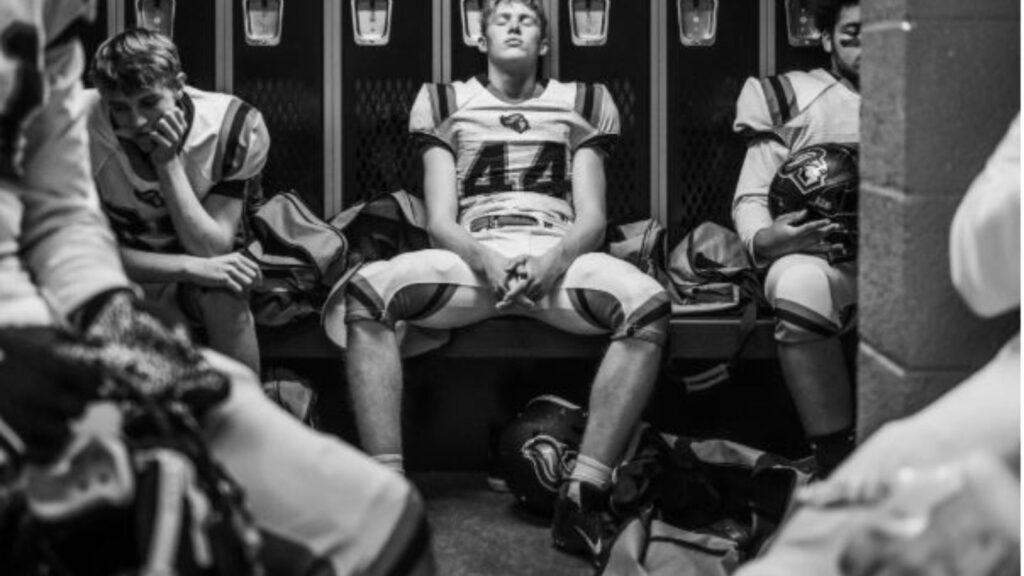
Pressure in sports is represented in multiple ways. It comes from coaches demanding results here and now, from fans whose anger is as great as their love, and, above all, from the athletes themselves. An athlete’s inner critic is often far more merciless than any external expert. The phenomenon of «fear of failure» causes professionals to perceive second place not as an achievement, but as a catastrophe.
This pressure is amplified by the digital age. While twenty years ago, criticism could be read in the morning newspaper, today it arrives instantly via smartphone notifications. One bad pass, and thousands of angry comments descend on a player in an instant. This public accessibility erases the boundaries of personal space, forcing athletes to constantly be on the defensive.
Many outstanding individuals find that their personal identity is completely consumed by their athletic role. When a person defines themselves solely through victories, any injury or dip in form becomes an existential crisis. In this context, it is important to understand what factors exactly shape this invisible pressure.
You can see that the main sources of psychological pressure in sports are represented:
- Financial dependence on results. For many athletes, winning is the only way to provide for their families and continue their careers, as contracts are often tied to rankings.
- Social media and cyberbullying. The need to maintain a perfect image and face hate after the slightest mistake.
- Expectations of national pride. When an athlete bears the responsibility for the prestige of an entire country, the burden of responsibility becomes almost unbearable.
- Tight deadlines. A professional career is short, and the knowledge that the «window of opportunity» is closing is both daunting and nerve-wracking.
- Injuries and fear of career ending. The constant threat of physical injury that could end a lifetime’s work.
This is a combination of factors that make athletes seek emotional release. In their free time from intense training, they try to find activities that allow them to refocus their attention and get a quick dopamine rush without the physical wear and tear. Some choose quiet hobbies, while others seek excitement in virtual spaces, such as play Aviator at Win Bet to escape their busy schedules and strict diets. However, even in moments of relaxation, the shadow of reputational scrutiny hangs over them: society expects athletes to be «monks» 24/7.
Total Control: The Body as a Production Instrument
The level of control in the life of a professional athlete reaches a level that would seem dystopian to the average person. It is not just the daily routine, but also biological monitoring. Every meal eaten, every hour of sleep, and even heart rate during rest are recorded and analyzed by a team of specialists.
The athlete no longer owns themselves. Their body is a high-tech machine rented by a club or federation. The Anti-Doping Administration & Management System requires world-class athletes to report their location every hour of every day. A surprise visit from a doping officer at 6 a.m. is a normal part of life, not a violation of rights.
| Sphere of Control | Methods of Influence | Consequences for the Individual |
| Physiology | Biochemical analysis, GPS tracking during training sessions. | Perceiving oneself as a biological object or a machine. |
| Nutrition | Individualized meal plans, prohibition of specific foods. | Eating disorders (ED) and social isolation. |
| Publicity | Contracts with «moral character» clauses, media training. | Loss of sincerity, fear of expressing personal opinions. |
| Personal Time | Curfews, ban on extreme hobbies or high-risk activities. | A sense of lost youth and lack of freedom of choice. |
If you look at this on paper, it seems like a paradox, because athletes can be physically strong; they may have a strong influence on their audience all around the world, but they are nothing without the team behind them. In other words, they are not autonomous. They have no right to illness, bad mood, or a private life hidden from the public eye. This dehumanization leads to serious psychological consequences, which often only become apparent after active competition.
Reputation as a Fragile Currency
It would be close to the truth to say that a reputation is more valuable than gold medals. Sponsors cancel multi-million dollar contracts for a single unfortunate post or questionable video in a private message that becomes public. Cancel culture in sports operates at lightning speed. While athletes’ «difficult personalities» were once forgiven for the sake of goals and records, today, ethics and image are paramount.
The problem is that reputational demands often run counter to human nature. Young people aged 18-25, with vast wealth and fame, are expected to display the wisdom and restraint of fifty-year-old politicians. The slightest display of emotion or youthful folly can spell the end of a career. This forces many athletes to wear «masks», creating a false image that is approved by PR agents.
Suppressing true emotions and the constant fear of «saying the wrong thing» creates internal tension that sooner or later finds its outlet. This often manifests itself in depression, addiction, or sudden breakdowns that shock the public. To minimize these risks, sports organizations are increasingly introducing new behavior management tools for their athletes.
Reputation protection strategies in modern sports:
- Professional media management. Hiring agencies to manage an athlete’s social media accounts, eliminating the risk of impulsive statements.
- Legal image insurance. Contract clauses that protect assets in the event of defamation.
- Charity as a tool. Participating in foundations not only to provide assistance but also to create a «safety net» in public opinion.
- Secrecy of personal life. Keeping the family as far away from sporting activities as possible.
- Psychological preparation for publicity. Working with coaches to develop responses to provocative questions from journalists.
Even with the possibility of taking such measures, the invisible side of sport remains a high-risk area. The system demands perfection from athletes in every way, forgetting that behind the statistics lies a living person with weaknesses, fears, and needs. Transitioning from total control to conscious support for mental health is the main challenge facing modern sport.
You should accept the reality of the professional athlete path being not only associated with triumph, but also being built on years of life under constant observation. Reputation becomes a heavy burden, pressure a constant companion, and scrutiny is an inevitable condition of success. Sports fans, as spectators, must learn to see athletes not simply as gladiators or advertising billboards, but as people who pay a huge psychological price for our inspiration.
Only by recognizing this «invisible side» will we create a more humane environment where athletic achievements don’t cost a person their mental health. The ultimate goal of sport is the greatness of the human spirit, and this is impossible without inner freedom and the right to be yourself, even if you are a global star.
More Stories
How Slot Games Online Are Being Designed for Cross-Device Play
How the Internet Changed Everything for Finance Professionals (and What’s Next)
NCAAF Live: What Real-Time Data Brings to College Football Betting