

Checking emails on public Wi-Fi, accessing work tools from a personal laptop, or simply browsing the web at home all involve sending data through networks you do not control. For many users, this reality leads to a simple question: how much protection is actually necessary, and does it require paying for it?
This is where a VPN becomes part of the conversation. A VPN encrypts your internet traffic and routes it through a secure server, reducing exposure to tracking, data interception, and unwanted monitoring. While the technology itself works in a similar way across services, the experience can vary significantly depending on whether you choose a free VPN or a paid option.
Rather than framing one model as universally superior, it is more useful to look at how each option fits different usage patterns. Understanding those differences makes it easier to decide which approach aligns with your expectations, habits, and level of risk tolerance.
How VPN Technology Works in Everyday Use
At its core, a VPN creates an encrypted tunnel between your device and a remote server. Any data sent through this tunnel is scrambled before it leaves your device and only decrypted once it reaches its destination. This process prevents internet service providers, network administrators, and third parties on the same network from easily inspecting your traffic.
In practical terms, this means:
- Your real IP address is hidden behind the VPN server’s address.
- Data transmitted over unsecured networks, such as public Wi-Fi, becomes harder to intercept.
- Online activity is less directly tied to your physical location.
These benefits apply to both free and paid VPNs. The distinction lies in how consistently and extensively those protections are implemented.
Where Free VPN Services Make Sense
Free VPN services are often associated with compromise, but that is not the full picture. For certain users and scenarios, they can be a reasonable and practical choice.
One of the clearest advantages is accessibility. Free VPNs remove the cost barrier entirely. There is no subscription to manage, no payment details to share, and no long-term commitment. For users who want a basic layer of privacy while browsing, this simplicity matters.
Another factor is ease of use. Many free VPNs focus on a straightforward experience: install the app, tap a connect button, and start browsing. This design works well for people who are not interested in technical configuration or advanced features.
Free VPNs also fit occasional use cases. Someone who only connects through public networks a few times a month, or who wants to test how VPN technology feels in daily browsing, may not benefit from a paid plan. In such cases, a free option offers enough protection without unnecessary complexity.
Limitations to Be Aware of With Free VPNs
Despite their convenience, free VPNs come with trade-offs that are important to understand before relying on them regularly.
Feature limitations are common. Free services often provide fewer server locations, limited customization, and fewer advanced security controls. While encryption is usually present, it may not be as flexible or transparent as what paid services offer.
Privacy practices also require attention. Because free VPNs do not generate revenue through subscriptions, some rely on alternative models such as advertising or data analytics. This does not automatically mean misuse, but it does make reviewing privacy policies essential. A service that clearly explains what it logs and what it does not is always preferable.
Performance can be another constraint. Shared servers with high user volumes may lead to slower speeds or unstable connections. For simple browsing, this may be acceptable, but for tasks that require consistent performance, these slowdowns become noticeable.
What Paid VPN Services Typically Offer
Paid VPNs are designed for users who need reliability across a wider range of situations. The most obvious difference is infrastructure. Subscription-based services generally operate larger server networks, which helps distribute traffic and maintain stable speeds.
Security options are also broader. Paid VPNs often provide more detailed protocol choices, advanced encryption settings, and additional protections such as kill switches or split tunneling. These features allow users to fine-tune how and when their traffic is protected.
Another distinction is support and transparency. Paid services usually offer customer support channels and more detailed documentation. For users who depend on a VPN for work or frequent travel, this level of assistance reduces friction when issues arise.
The Cost Question and Realistic Expectations
Cost is the primary downside of paid VPNs, but it should be evaluated in context. Subscriptions vary widely in price, and long-term plans often reduce the monthly expense. Still, for users with minimal needs, even a small recurring fee may feel unnecessary.
Paid VPNs may also be excessive for casual users. Someone who only wants basic privacy while checking news or social platforms may never use the advanced features included in a subscription. In those cases, the additional cost does not translate into meaningful benefits.
Choosing Based on How You Actually Use the Internet
The most practical way to choose between free and paid VPNs is to start with your own habits rather than feature lists.
Ask yourself:
- How often do you connect through public or shared networks?
- Do you handle sensitive data, such as work files or personal documents, online?
- Is consistent speed important for your daily tasks?
- Do you prefer a simple setup or detailed control?
Users with light, occasional needs often find that a well-designed free VPN covers their expectations. Those who rely on stable connections, travel frequently, or work online for extended periods usually benefit more from paid services.
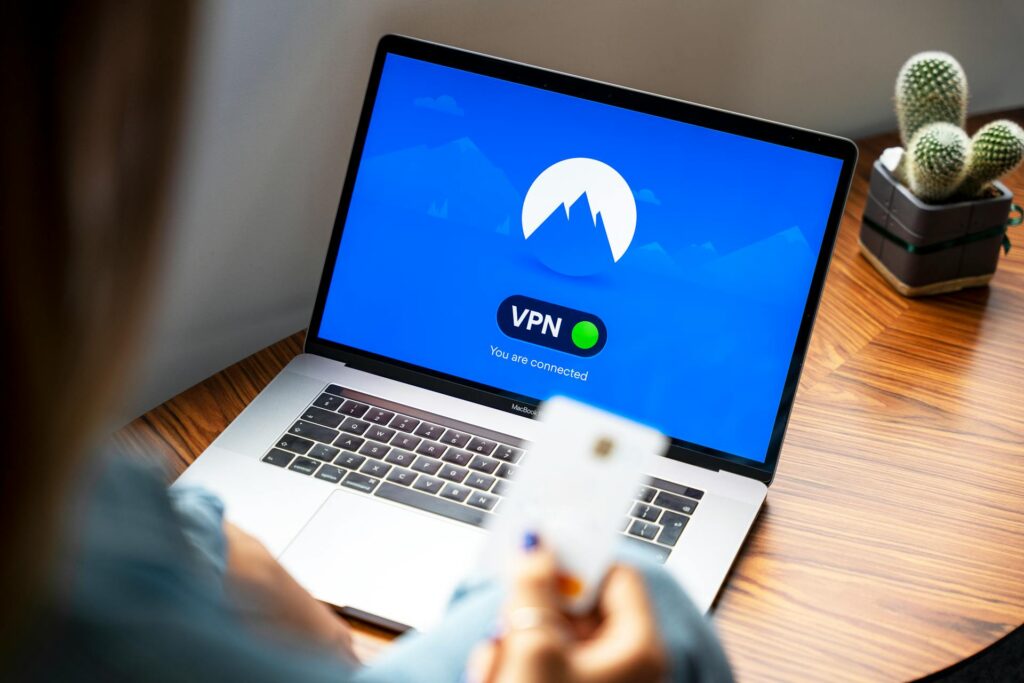
Getting Started With a Simple VPN Setup
For users who want to begin with a no-commitment option, starting with a VPN app that focuses on usability can make the experience smoother. A clear interface, transparent policies, and cross-platform support reduce friction for first-time users.
If you want to try a VPN solution on your mobile device, you can download the free VPN apps for Android from Google Play or the free VPN app for iOS directly from the Apple Store. Using verified sources helps ensure the software is kept up to date and aligned with platform security standards.
A Practical Way to Look at the Decision
Free VPNs and paid VPNs are not opposing sides of a single debate. They are tools designed for different levels of usage and expectation. Understanding what each model realistically provides allows you to choose without overestimating risks or overspending on features you may never use.
Rather than asking which option is objectively better, it is more useful to ask which one fits how you actually go online. When that question is answered honestly, the choice tends to become much clearer.
More Stories
Free VPN 101: Everything You Need to Know Before You Download
Nude Cams and Live Sex Platforms: How Interactive Adult Entertainment Is Evolving
Data Transparency in Modern Sports and Why Fans Care More Than Ever