
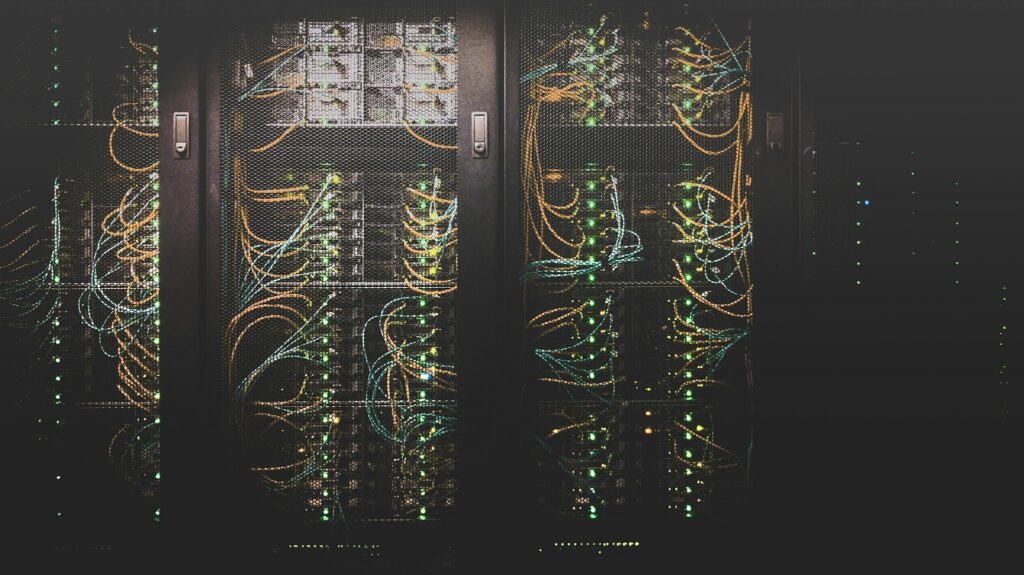
In-play betting moves faster than almost any technology the average sports fan interacts with, and most people have no idea what’s actually happening under the hood when they place a live wager. This is how live betting infrastructure actually works, why it’s harder to build than it looks and how platforms have turned split-second data processing into a real-time wagering experience that holds up under pressure.
Most sports betting coverage treats live betting like a feature. Place a bet while the game is happening… cool, moving on. What that framing skips entirely is that in-play wagering is one of the most technically demanding products in consumer technology, full stop. It requires real-time data ingestion, automated risk calculation, sub-second odds adjustment and a user interface that stays functional when thousands of people are trying to place bets on the same event at the same moment.
That’s not a feature. No, that’s an infrastructure problem that took the industry years to solve properly. Betway Africa runs a live betting operation across some of the most passionate sports markets in the world (football, rugby, cricket, basketball), and the product holds up because the architecture behind it was built for exactly this kind of volume and velocity. Understanding how that works makes you a smarter bettor, not just a more entertained one.
Where the Data Comes From
Everything in live betting starts with a data feed. Before a single odd gets calculated or displayed, the platform needs to know what’s happening in the match. right now, not thirty seconds ago.
This is handled through official sports data providers that place trained scouts and automated tracking systems at live events. Every significant in-game event gets logged and transmitted in near real-time: goals, cards, injuries, possession shifts, timeouts, scoring runs. The latency on professional data feeds used by major sportsbooks runs in the low single-digit seconds for most sports, fast enough that the odds update before most viewers even see the replay.
The difference between a sharp live betting platform and a slow one usually comes down to data sourcing. A platform running on a premium feed with sports data will consistently offer more accurate lines than one working off a cheaper, slower alternative. For bettors, this matters because slow odds adjustment creates windows, brief moments where the displayed line doesn’t reflect what just happened on the pitch.
How Odds Move in Real Time
Once the data feed is live, the actual odds calculation kicks in. This is where the technology gets genuinely complex.
Modern sportsbooks use automated pricing engines, meaning algorithms that take the incoming data and recalculate market probabilities continuously throughout the match. A goal gets scored and within seconds, the win probability for both teams shifts, the next goalscorer market updates, the correct score options reprice and the over/under line adjusts. All of that happens simultaneously, across dozens of active markets, without a human manually touching anything.
What keeps this from becoming pure chaos is risk management layered on top of the pricing engine. The platform tracks betting volume across every open market in real time. If a sudden surge of bets lands on one outcome (suggesting either a sharp bettor with information or a crowd reaction to something the data feed hasn’t caught yet), the automated system tightens the line, reduces the available stake limit or temporarily suspends the market entirely. Betway Africa and platforms built to this standard use this kind of automated liability management systems to protect market integrity without grinding the user experience to a halt.
The Streaming and Interface Layer
None of the above matters if the front end falls apart under load. Live betting traffic spikes are violent. A late equalizer in a major football match can generate more simultaneous bet placement attempts in 90 seconds than a quiet Tuesday sees all day.
The user interface has to handle that without freezing, erroring out or displaying stale odds that have already moved on the backend. This is solved through a combination of content delivery network infrastructure for sportsbooks, websocket connections that push odds updates directly to the client without requiring a page refresh and careful queue management on the bet placement side.
The streaming component (where platforms offer live video alongside the betting interface) adds another layer of complexity. Keeping the stream, the live odds and the bet slip synchronized across different network conditions and device types is a genuinely difficult engineering problem. When Betway Africa delivers a live match stream alongside a functioning in-play market, that’s not a given. It’s the output of a stack that was designed specifically for that use case.
Why This Changes How You Should Bet
Understanding live betting infrastructure has a practical application beyond appreciating the engineering. The windows where value exists in live markets are almost always tied to the speed gap between what happened and what the odds reflect.
Data feeds are fast, but they’re not instant. Crowd noise, visible injuries, tactical shifts. A sharp bettor watching the match live sometimes has a genuine informational edge in the seconds before the pricing engine catches up. That edge is small and it closes fast, but it’s real.
Betway Africa’s in-play markets across football and other major sports are built on infrastructure designed to minimize that gap, which means the platform takes live betting seriously as a product, not just as an add-on to the pre-match offering. For bettors who treat it the same way, that’s the right kind of opponent to be playing against.
More Stories
The Evolution of Data Privacy in Modern Online Gaming Platforms
Betpanda Ethereum Casino: The Ultimate Destination for Crypto Gambling Enthusiasts
What To Do When a Construction Accident Changes Your Life