
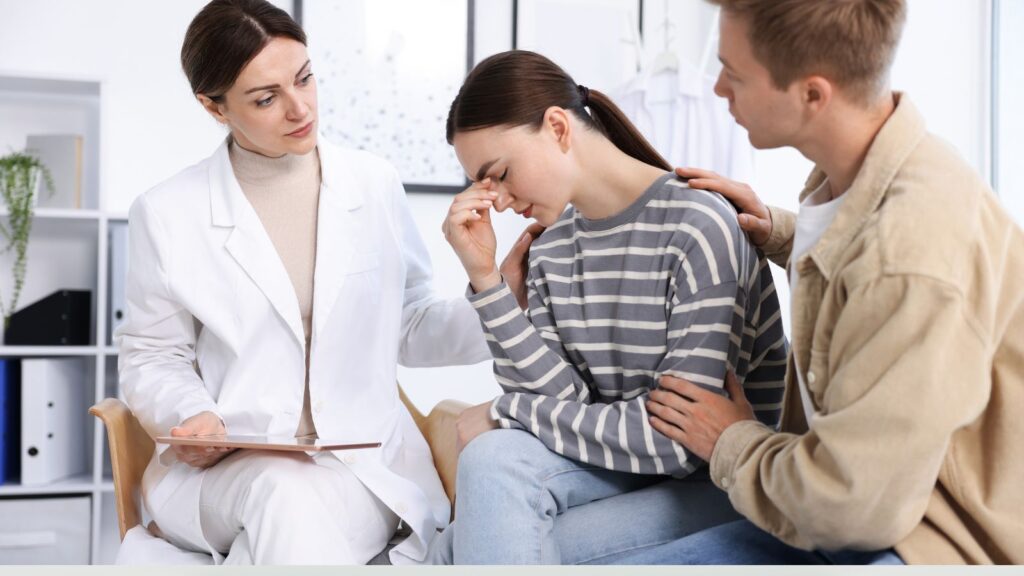
Infertility is a multifaceted challenge that affects millions worldwide, and among the various contributing factors, the connection between ureaplasma and infertility has been gaining increased attention. Often overlooked due to minimal or absent symptoms, Ureaplasma infections can silently impact reproductive health, leading to complications that many individuals may not immediately recognize or associate with fertility issues.
Understanding what Ureaplasma is and how it affects the reproductive system is essential for early detection and effective treatment. Left untreated, this bacterial infection may contribute to inflammation, pelvic discomfort, implantation challenges, and reduced fertility potential. Exploring available treatment options, including appropriate antibiotic therapies and follow-up testing, can help minimize long-term health risks and support reproductive success.
Understanding Ureaplasma: What You Need to Know
What Is Ureaplasma?
Ureaplasma is a genus of bacteria that belongs to the Mycoplasma family. It is commonly found in the urogenital tract and is part of the normal flora in both men and women. But, under certain conditions, it can become pathogenic and lead to infections. Ureaplasma urealyticum and Ureaplasma parvum are the two species typically associated with human infections.
Ureaplasma infections are often asymptomatic, meaning that many individuals may carry the bacteria without ever experiencing adverse effects. It’s most commonly transmitted sexually, but can also be passed from mother to child during childbirth.
Common Symptoms and Diagnosis
Symptoms of Ureaplasma infections can vary widely, and some individuals may not exhibit any symptoms at all. When present, symptoms may include:
- Painful urination
- Abnormal discharge from the genital area
- Pelvic pain
- Pain during intercourse
Diagnosis typically involves laboratory testing, including urine tests or swabs taken from the urethra or vagina. Healthcare providers may use polymerase chain reaction (PCR) tests to detect Ureaplasma DNA, which is considered the most accurate method of diagnosis.
The Role of Ureaplasma in Infertility
Causes of Ureaplasma-Related Infertility
The relationship between Ureaplasma and infertility is not entirely understood, but there are several mechanisms proposed. Ureaplasma can induce inflammation in the reproductive tract, potentially leading to conditions such as pelvic inflammatory disease (PID). Chronic inflammation can negatively affect fertility by disrupting normal reproductive processes, including ovulation and implantation of embryos.
Also, Ureaplasma infections can impact sperm motility and viability, further hindering conception. Studies have shown that men with Ureaplasma infections may experience decreased sperm quality, leading to challenges in achieving pregnancy.
Associated Risks and Health Concerns
Beyond infertility, Ureaplasma infections are linked with various health complications. For women, the risk of developing conditions such as endometriosis or ectopic pregnancy increases when Ureaplasma is present. Men may experience urethritis or prostatitis.
Also, there is concern that untreated Ureaplasma infections may lead to complications during pregnancy, such as premature birth or low birth weight. Understanding these risks is crucial for individuals planning to conceive or currently facing fertility challenges.
Treatment Options for Ureaplasma Infections
Antibiotic Treatments
The primary treatment for Ureaplasma infections involves the use of antibiotics. Commonly prescribed antibiotics include doxycycline, azithromycin, and levofloxacin. These medications are effective in eliminating the bacteria and alleviating symptoms. It’s essential for individuals to complete the entire course of antibiotics to prevent recurrence.
Alternative Treatment Approaches
Plus to conventional antibiotics, some individuals may explore alternative treatment methods. These can include dietary changes that promote a healthy immune system, such as increased antioxidant intake through fruits and vegetables and avoiding processed foods that may exacerbate inflammation.
Probiotics may also play a role in restoring the natural flora of the urogenital tract, potentially aiding in recovery from infections. But, it’s crucial that individuals consult healthcare professionals before pursuing any alternative treatments, ensuring they complement prescribed therapies.
Preventive Measures and Recommendations
Lifestyle Changes and Health Practices
Preventing Ureaplasma infections and their associated complications begins with sustainable lifestyle choices. Maintaining a strongim mune system through proper nutrition, regular exercise, and adequate sleep can be beneficial.
Safe sex practices, including the use of condoms, can significantly reduce the risk of transmission. Regularly communicating with partners about sexual health and maintaining open dialogues can aid in preventing infections before they become problematic.
Regular Health Screenings
It’s advisable for sexually active individuals to undergo regular health screenings for sexually transmitted infections (STIs), including Ureaplasma. Early detection and treatment are vital in minimizing the risk of complications such as infertility.
Women should also prioritize gynecological check-ups, as these can help monitor reproductive health and catch any issues early. Making these screenings routine can empower individuals to take control of their reproductive health.
Conclusion
Ureaplasma may not be a household name when it comes to infertility, but its impact on reproductive health is significant and warrants attention. Understanding what Ureaplasma is, how it can affect fertility, and the treatment options available empowers individuals to make informed health decisions.
By focusing on preventative measures and maintaining open lines of communication about sexual health, individuals can significantly reduce their risk of infections, eventually enhancing their chances of conception. In the quest for improved reproductive health, being proactive about Ureaplasma screenings and treatment can pave the way for a brighter future.
More Stories
Behind the Treatment Room Door: What a Wax Machine Does Between Appointments
N2H Lifestyle Tips: Nothing 2Hide’s Practical Guide To Living Boldly In 2026
Micro K Tip Extensions- What Makes Them Different from Standard K Tips?