
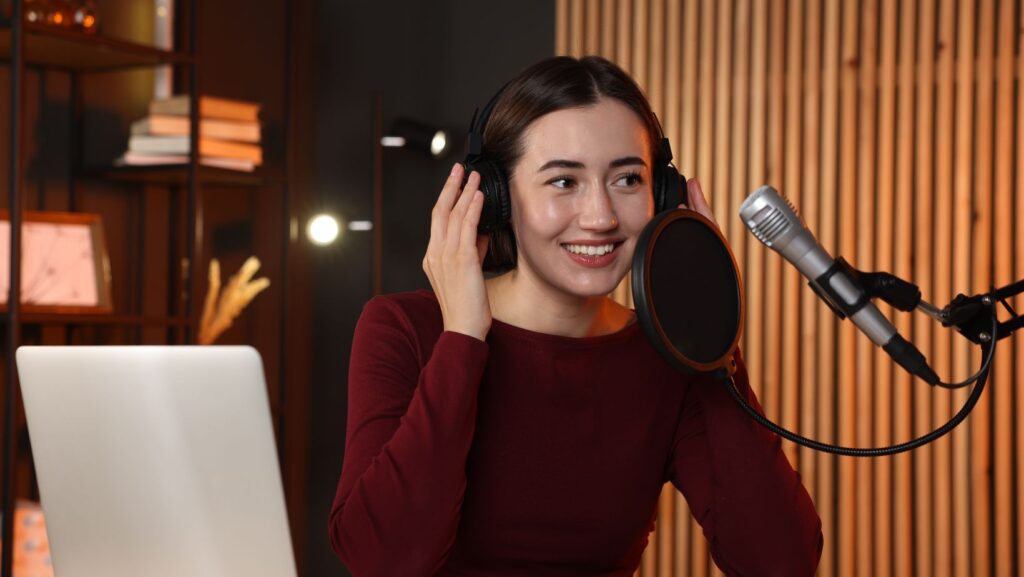
As content creators use equipment like cameras, lighting, tripods, microphones, etc., along with the many editing tools, these materials tend to build up over time. This is especially true if the creator continues to buy more equipment. Once content creators have limited storage space in the home, it begins to take over every surface available (desks, bookshelves, corners, etc.) and often disrupts the creative flow of creating content.
A systematic approach to inventorying equipment and their respective uses will help the creator determine which items need to remain in daily use and what can be put into storage. When properly arranging their equipment, content creators can ensure the creator maintains a clean work area and protects expensive camera equipment from damage while promoting a more productive and inspiring work environment.
Why Gear Accumulates
Content creators often collect more equipment than they expect. Every new project brings another tool—an extra light for a brighter shot, a new microphone for clearer audio, or a different lens to capture a specific look. Older gear rarely gets removed because it still seems useful, even if it isn’t part of the main setup anymore. As a result, equipment slowly spreads across the room, filling shelves, drawers, and tabletops. Understanding why this happens makes it easier to control the overflow and prevent clutter from affecting creativity.
How Equipment Builds Up
Many creators experiment with different styles, settings, and techniques. Each experiment adds a tripod, backdrop, battery pack, or cable to the mix. Since these tools vary in shape and size, they don’t fit neatly in one place, which leads to scattered storage. Over time, even small items create a crowded environment.
Quick Q and A
Why does my creative space feel messy so often?
Because gear from multiple projects gets left out, and each item takes up more room than expected.
How can I reduce clutter quickly?
Sort items by purpose and keep only the tools you need for this week’s projects within reach.
Separating Essential and Extra
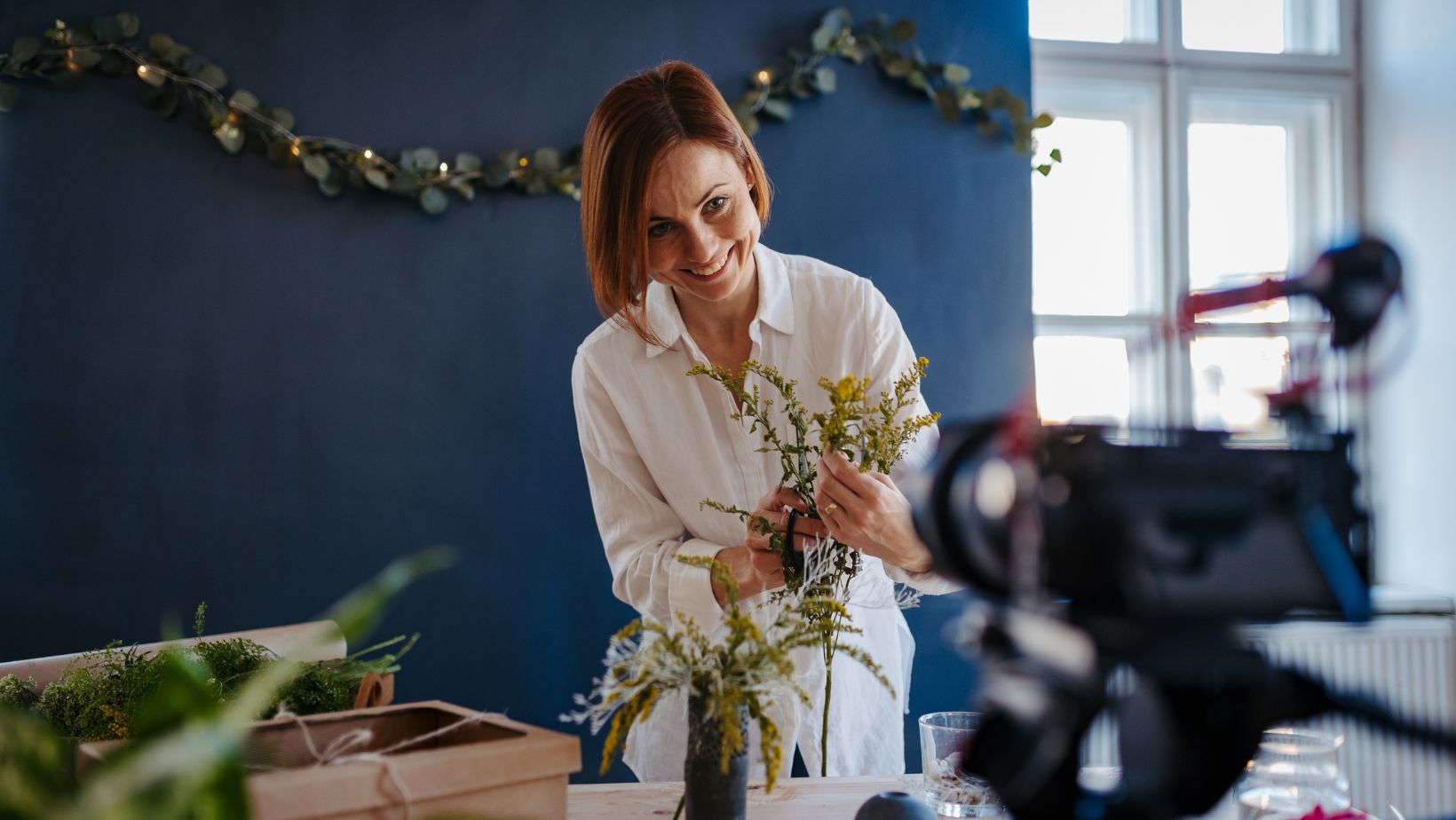
Separating essential gear from overflow items helps creators stay organized and work more efficiently. When you define what you actually use daily, the rest becomes easier to manage. This step brings clarity to your workflow and prevents unnecessary items from crowding your creative space.
A Simple Sorting Method
Divide your equipment into two groups: daily-use and occasional-use. Daily-use gear includes the camera, main lights, and microphones you rely on for regular videos or photos. Occasional-use gear, like specialty lenses, props, or backup lights, can be stored in labeled bins or shelves. This separation keeps your primary setup clear and ready to use.
A Practical Perspective
Sorting isn’t about owning less—it’s about knowing what belongs in your workspace right now. When essentials stay close and overflow gear is stored intentionally, your workflow becomes smoother, and you can focus more on creating rather than searching for tools.
Smart Storage Options
Smart storage options help content creators handle overflow gear without crowding their workspace. Because equipment comes in many shapes and sizes, a flexible storage system makes it easier to protect valuable tools and find them quickly when needed. Using shelves, bins, padded cases, and even offsite storage can help creators maintain a clean, efficient workflow that supports their projects.
Creator FAQ
What is the best way to store extra content creation equipment?
Use padded bins or stackable containers with labels so every piece of gear has a clear home.
How can I store equipment I rarely use but still want to keep?
Place long-term or bulky items in a self storage near Oklahoma City OK facility to open up room in your home workspace while keeping gear accessible.
Questions About Gear Protection
How do I keep delicate equipment in good condition?
Store cameras, microphones, and lenses in cases that protect them from dust, moisture, and accidental bumps.
Workspace Setup Tips
Setting up your workspace intentionally helps create a cleaner environment and smoother workflow. When everything has a place, your creative zone stays comfortable and easy to navigate. A good setup reduces visual clutter, saves time during shoots, and helps you focus on producing high-quality content. The key is to build a layout that works with your habits instead of against them.
Before using the tips below, take a moment to look around your space and identify where clutter tends to build up—desks, corners, shelves, or the floor.
- Keep only your main camera and lighting in your active workspace.
- Use wall-mounted shelves to store props and small accessories.
- Sort cables into labeled pouches to prevent tangling.
- Create a dedicated charging station for batteries and devices.
- Store rarely used tools in a bin away from your main desk area.
After applying these adjustments, your workspace becomes easier to maintain and more enjoyable to work in.
Key takeaway summary:
A well-organized workspace helps content creators stay productive and reduce clutter. By using vertical storage, limiting desk items, and giving each piece of equipment a designated home, you can create a cleaner environment that supports smoother content creation at every stage.
Daily Care Habits
A simple real-life example shows how daily habits can help content creators keep overflow equipment under control. One creator worked with multiple cameras, lights, audio tools, and props. Over time, her gear covered every surface in her studio apartment, making it difficult to film without cleaning first. She reached out to a fellow creator known for keeping a small space organized despite owning just as much equipment. With a few easy changes, she transformed her workspace and reduced the stress that came with constant clutter.
A Creator Experience
The mentor suggested starting with a nightly five-minute reset routine. Each evening, she returned lights to their cases, sorted cables into labeled pouches, and placed unused props in a single storage bin. She also designated one shelf for daily-use equipment and another for tools she only needed occasionally. Within weeks, she noticed that filming became faster, her desk stayed clear, and she spent far less time searching for missing parts. This simple consistency made her workflow smoother and helped her enjoy creating again.
Expert Insight
The Mentor stated that while creators do not require large systems for storing their equipment, they do require habits that are consistent in their approach to storing items and organized categories. If equipment is not consistently put away after usage, or if items are stored in random locations, overflow will occur. By creating a home for every piece of equipment and continuing to use it every day, clutter has no opportunity to accumulate. Efficient habits help to stimulate creativity, by providing a calm, efficient and ready working space for every new concept.
Common mistakes to avoid:
Leaving tripods and lights in pathways creates a danger to yourself and others. Mixing cables and lenses can lead to damaging both items when they are combined. Storing damp equipment accelerates wear on the item; when you have to find your props scattered about the room, you increase the time it takes to set everything up for production. When you do not keep your batteries organized, you may find yourself in a pinch at the last minute, searching for a needed battery. Too many items on the shelf will increase the chance of breakage. If you have not thrown out the old unused accessories, you will be wasting space. If you do not do a routine clean up, your clutter will quickly accumulate.
Final Thoughts
Managing overflow equipment becomes much easier when content creators rely on simple routines, smart storage, and intentional workspace setups. By giving tools a clear home and maintaining small daily habits, you protect your gear, save time, and create a cleaner workflow. Begin with one small change today and see how content creators manage overflow equipment for cleaner workflow that can transform your creative space and support smoother production.
More Stories
How the Super Bowl Quietly Changed Online Casinos
5 Dog Food Options to Consider Before Switching Diets
5 Portable Grill Benefits for Outdoor Cooking