
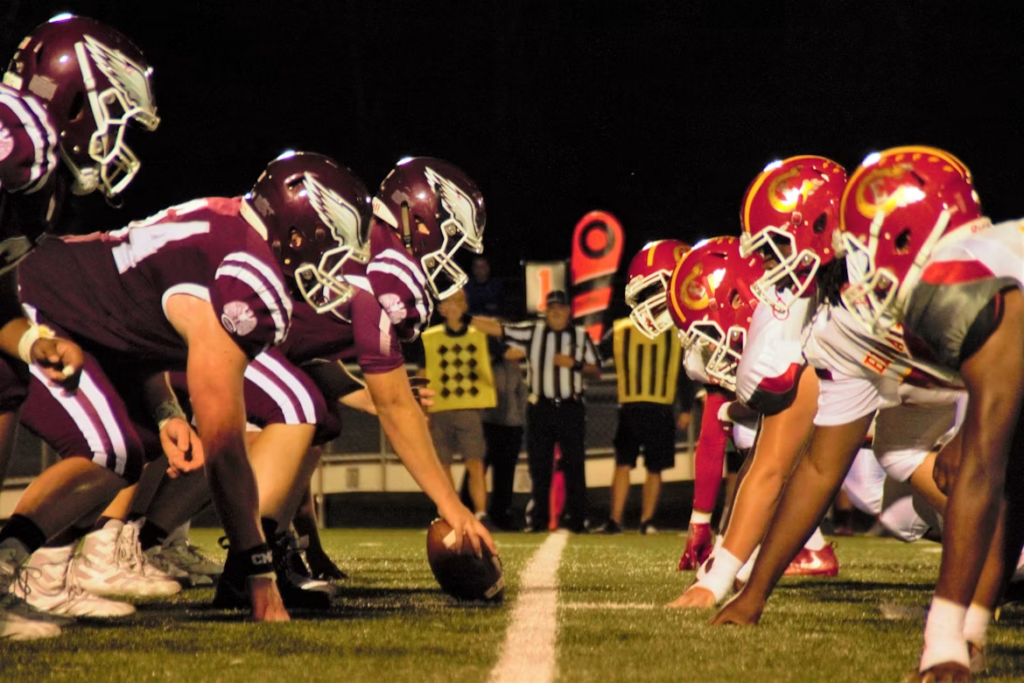
Real-time data gives live college football betting markets a clearer picture of what is happening after each snap. Possession, field position, down, distance, and the game clock can all change the outlook before the score does. These updates help live markets respond to the changing conditions on the field.
A short completion can set up a favorable down, while a penalty can erase an important gain or change possession. The data feed captures these events and turns them into an updated game state that markets can process. Understanding how that information is collected, timed, and corrected shows why every play matters in live betting.
Every Snap Rebuilds the Game State
A live feed organizes the game into a structured sequence of events. It records possession and field position after each play. Down and distance then define what the offense can attempt next. Those data points give a market more context than the score alone because identical scores can hide very different situations. The combination of these details shows how much opportunity each team has on the next play.
The meaning of a play also depends on when it happens. A short run can set up a manageable down early in a drive, while the same result can end a late possession. Season-long markets such as college football win totals reflect broader expectations before and across the season. Live data serves a different purpose by showing how each snap changes the current game state. That contrast shows why real-time information matters once play begins.
Latency Separates Action From Recorded Reality
Live data moves quickly, but every update follows a delivery chain. An event is captured at the stadium before it passes through validation and distribution. The betting platform must then process the update before changing its live market. Television coverage may arrive later because video follows a different transmission path. This creates a short gap between field action and the information shown on each screen.
That gap becomes critical near the snap or during a possible turnover. Markets may pause when the next event could make the available data outdated. Timestamps help operators compare when a play occurred with when the update reached the platform. Status labels also show when a ruling remains unofficial or under review. These controls make data reliability as important as raw delivery speed.
Clock Rules Change the Data Meaning
The game clock carries more information than the time displayed. Under current college rules, it generally continues after a first down outside the final two minutes of each half. During those closing periods, it stops until the chains are ready. A routine completion can therefore preserve different amounts of time depending on when it occurs. Live feeds must connect every play with the correct clock condition.
The two-minute timeout creates a fixed break near the end of each half. Out-of-bounds plays and incomplete passes can also affect when the clock stops and when it resumes under the applicable rules. Timeout availability affects how many additional stoppages remain possible. Those details help determine the realistic number of possessions left in the game. A live model must apply college rules instead of relying on professional football assumptions.
Play Status Matters Before Final Grading
An initial ruling doesn’t always become the official result. A completed catch may be overturned after replay, while an accepted penalty can affect or nullify a play. Live feeds can therefore assign provisional status to plays still under review. Markets may pause while officials determine the ruling and its effect on possession or field position.
Statistical records can also be corrected after a play has been recorded. A data provider may revise a play when its classification or recorded yardage was entered incorrectly. Event identifiers can help the system update an existing entry rather than create a duplicate play. These corrections help preserve a consistent sequence for later records and market grading.
College Context Makes Raw Numbers Incomplete
College football teams differ widely in tempo and roster depth, which limits the value of one league-wide baseline. A fast offense may create more possessions without being more efficient. A slower team can reduce opportunities through long drives. Personnel changes also matter because a backup quarterback may alter the play mix before the score moves. Team-specific baselines help live models account for these differences.
Matchup quality can also determine which live data points deserve closer attention. Games between contrasting offensive systems can produce noticeable changes in pace and play selection. Pre-game college football analysis can establish those expected contrasts before kickoff. However, live feeds show whether the game is actually developing in that manner. That comparison can make changes in tempo, personnel, and play selection easier to interpret as the game unfolds.
The Fastest Feed Still Needs Context
Real-time data helps live college football markets respond to what happens on the field. Speed matters, but the information must also be accurate and clearly updated. A good feed tracks the game state, clock, rulings, and later corrections. These details help markets understand how each play changes the game. As live coverage grows, clear and reliable data will remain important.
More Stories
Loot Boxes Beyond Gambling Law: Where Consumer Protection Steps In
Verification, Data Collection, and Privacy in Online Gambling
Game Variety – Why Online Casinos Need a Content Aggregator