

Notifications are designed to grab attention instantly. Each ping, buzz, or flash pulls the brain away from what it is doing, often creating stress and distraction. Over time, this constant interruption forms an addiction-like loop, where people feel the need to check their devices even without alerts. Airplane mode offers a simple solution by cutting off the stream of digital noise, allowing the brain to rest. This pause helps restore focus, lower stress, and bring back mental clarity in a fast and practical way.
Historical Note:
The pull of constant alerts is not new. In the late 1800s, telegraph operators often reported difficulty concentrating because of the steady stream of incoming messages. Doctors at the time even warned of “telegraph fatigue,” a condition marked by exhaustion and nervousness caused by nonstop signals. Today’s smartphone notifications mirror the same problem in a modern form. Airplane mode works as a reset button, echoing the same principle used in the past—removing constant noise gives the human mind a chance to recharge.
Why Notifications Hook Us
Notifications are powerful because they are designed to trigger an instant response. The sound, vibration, or light signals the brain that something important may be happening. Each time we check, the brain gets a small reward, which makes the habit even stronger. Over time, this turns into a loop where people feel compelled to check their devices even without new alerts. This cycle can cause distraction, anxiety, and a constant sense of urgency. Understanding why notifications are so addictive is the first step to breaking free from them.
- Notifications trigger quick bursts of dopamine in the brain
- Frequent alerts create a habit loop of checking devices
- The cycle increases stress and reduces focus on tasks
When people realize how notifications shape behavior, it becomes easier to make conscious choices. What feels like a harmless buzz actually pushes the brain into stress mode over and over again. This explains why many people feel restless even when there are no new messages. By learning how the brain reacts, people can set better boundaries with their devices. Turning off unnecessary alerts or scheduling screen-free time can reduce the urge to check constantly. The goal is not to remove technology, but to stop letting notifications control attention and emotions.
Brain on Constant Pings
- Each alert triggers a stress response in the body
- The brain shifts focus, lowering concentration levels
- Repeated interruptions increase mental fatigue
- Constant pings build a sense of urgency and tension
Observation:
A student preparing for exams noticed they could not focus for more than ten minutes before checking their phone. Most of the alerts were unimportant, but the habit made studying stressful. After turning on airplane mode during study sessions, they felt calmer and were able to concentrate longer without anxiety.
Continuous pings overwhelm the brain by yanking it every which way. Even benign alerts require energy to process, leaving less room for concentration and peaceful thought. Overtime, it makes stress feel more burdensome and concentration more difficult to maintain. By reducing interruptions, the brain can work more efficiently, making everyday life simpler and less taxing.
Stress from Digital Noise
The constant flood of notifications keeps the body in a state of alert. Each ping signals the nervous system to pay attention, which increases stress hormones like cortisol. Over time, this repeated stimulation leaves people feeling tired, anxious, and less able to focus. Unlike real emergencies, most notifications are small and unimportant, yet the brain treats them as urgent. This is why digital noise can be so draining. Creating space away from alerts allows the mind to calm down and recover. Programs at places like Legacy Healing Center often highlight the need for quiet routines and mindful breaks as part of overall stress recovery.
Research:
A survey by the American Psychological Association found that 65 percent of people feel stressed by the number of notifications they receive daily. Another study from Deloitte revealed that the average smartphone user checks their device 58 times a day, most often triggered by alerts rather than personal choice. These numbers show how much digital noise impacts daily stress levels.
Airplane Mode Reset
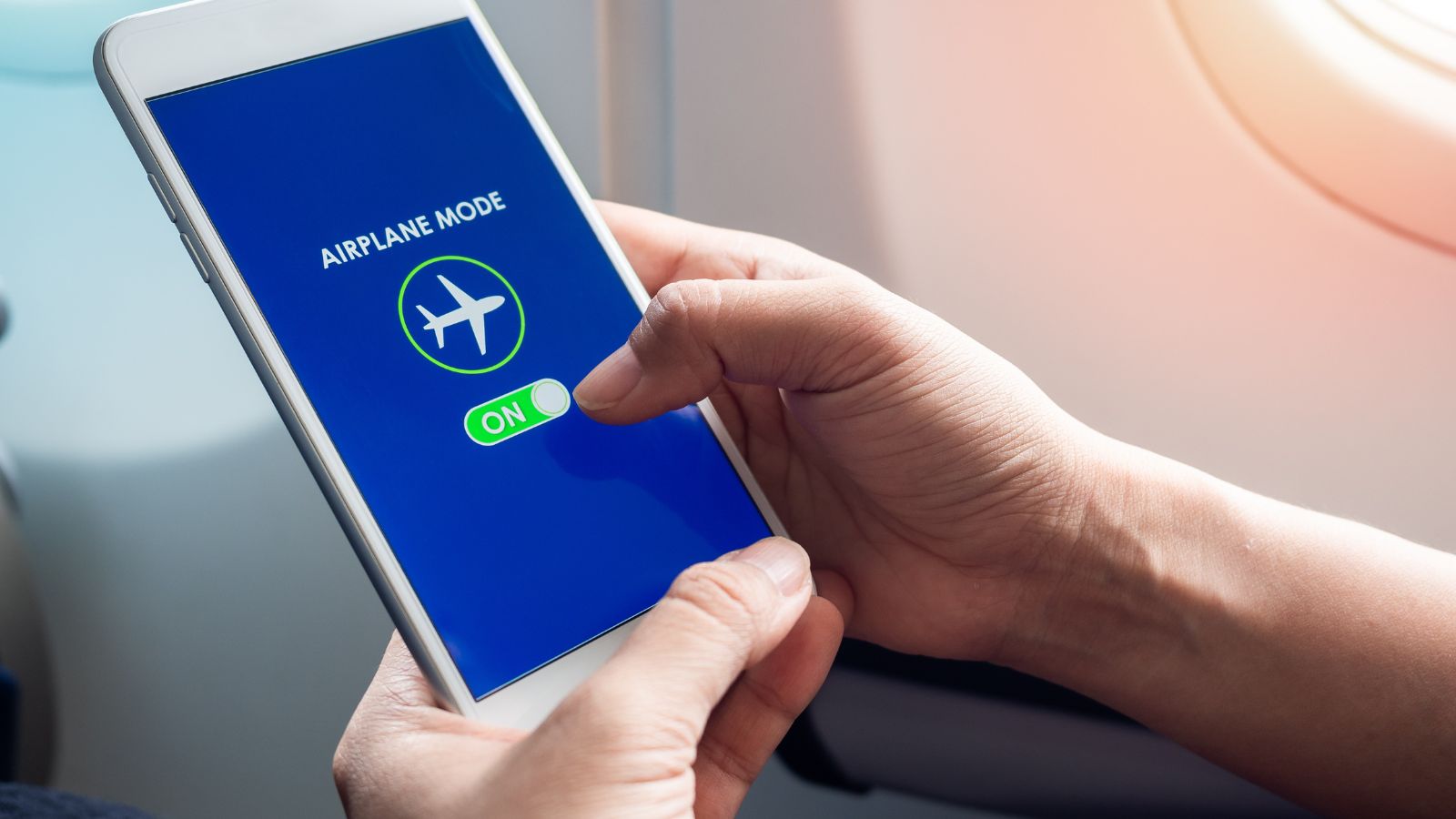
There are several ways to manage notification overload. Some people use focus features on their phones, which filter out less important alerts while keeping essential ones. This option is flexible but still relies on the device. Others prefer using airplane mode, which cuts off all notifications completely. This creates total quiet but may feel difficult at first.
Case study:
An office manager constantly felt overwhelmed by buzzing messages. After trying both filtering and airplane mode, they found that airplane mode during meetings brought the most clarity. Without constant interruptions, decisions were easier and stress levels dropped.
Both methods can help, but airplane mode offers the deepest reset when true focus and peace are needed.
Building Healthier Habits
A practical example illustrates how individual decisions can alter how notifications impact everyday life. A freelancer grappled with frequent interruptions that prevented work from being completed on schedule. Stress from constant pinging extended into evenings, with little stamina left over for family or rest. Following the recommendation of one mentor, the freelancer started placing the phone in airplane mode during the initial two hours of the morning. Initially, the stillness seemed strange, but it soon became a habit leading toward concentration and serenity. The freelancer indicated working more efficiently and feeling more composed in general.
71 percent of people say turning off notifications helps them feel more focused and in control
Experts describe how airplane mode is effective because it eliminates the decision fatigue of ubiquitous alerts. Without having to decide if they should check every ping, the brain is free to concentrate on substantive work. In this one action, room is made in the mind for rest, demonstrating that healthy habits need be no more than that.
This short-case points out that genuine progress arises from routinized practices. By conditioning oneself to create boundaries around devices, one can regain mental clarity and reduce stress. It showcases the reality that every individual has the capacity to take control away from notifications.
Clear Mind Moving Forward
Notification addiction may feel overwhelming, but change is possible with awareness and simple actions. Airplane mode is more than a setting—it is a tool to restore calm and focus. By using it regularly, you can create boundaries that protect energy and improve well-being. The path to mental clarity begins with a single step: choosing when to connect and when to pause. Notification addiction loses its power once you decide to take control.
More Stories
Only Five Elite Squads Actually Have a Chance at Winning the Trophy This Year
Log Cabins in Ireland – What to Consider Before Choosing One
CS2 Skin Cashouts vs. Real-Money Platforms: Which Pays You Faster in 2026?