
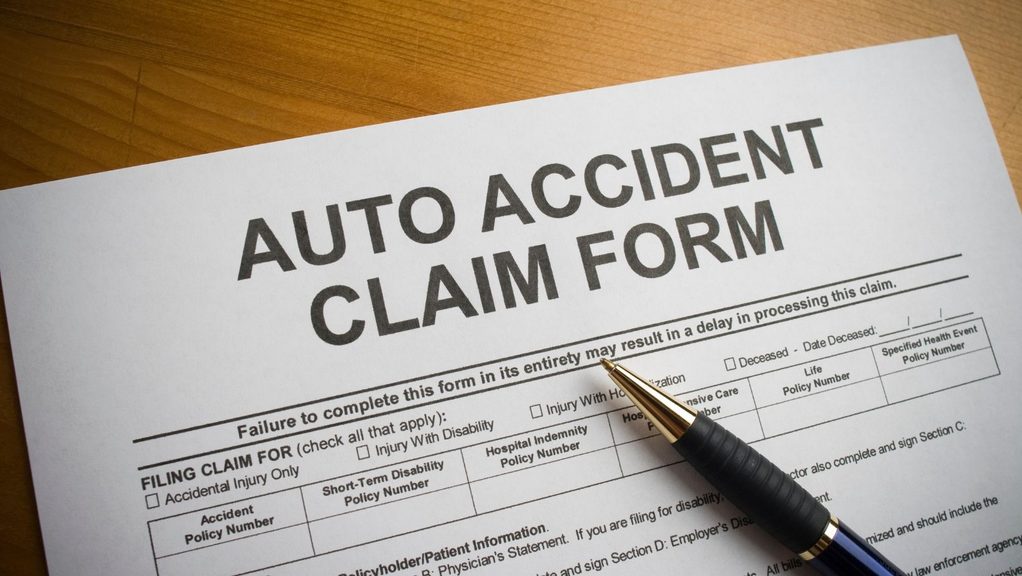
A woman in Marion County totaled her car on a Tuesday morning. She had no insurance. She assumed that was the end of it. Six months later she walked away with a settlement check, because the other driver ran a stop sign and Indiana law does not erase fault just because a policy lapsed. Cases like this are why so many drivers search for Indiana uninsured accident laws before they call an attorney, and what they find usually surprises them.
Here is the part most people get backward: missing coverage does not put you at fault, and it does not shut the door on compensation. It changes the math, not the outcome. The common belief that “no insurance means no case” is mostly wrong, and treating it as true is what causes uninsured drivers to walk away from money they are legally owed.
The real rule in Indiana
Indiana decides fault based on behavior, not paperwork. A driver who runs a light, drifts out of a lane, or drives distracted is at fault whether the other person had coverage or not. Insurance status and fault are two separate legal questions, and mixing them up is the single biggest mistake uninsured drivers make after a crash.
That said, being uninsured is not free. Indiana runs on a “No Pay, No Play” rule that blocks uninsured drivers from collecting pain and suffering money, even when the other driver caused the wreck. Economic losses like medical bills, lost wages, and car repairs are usually still on the table.
“People assume the case is dead the moment they admit they had no policy,” one Indianapolis personal injury paralegal noted during a recent case review. “Half the time there is still real money to recover. They just need someone who knows where the limits actually sit.”
Four moves that actually matter after the crash
Skip the panic and work through these in order. Each one protects a piece of your claim that uninsured drivers tend to lose by accident.
- Get the police report filed on scene. Indiana crash reports are the backbone of every fault dispute, and without one your version of events is just a story against theirs.
- Photograph the scene before anything moves. Skid marks, signal timing, and vehicle position fade from memory fast, but a phone camera keeps them exact.
- Check your policy history for uninsured motorist coverage, even an old one. If the other driver had no insurance either, this is often the only path to real compensation.
- Calculate your fault percentage honestly. Indiana uses modified comparative fault, and crossing 51 percent responsibility cuts off your recovery completely, so this number decides everything.
- Call a lawyer before you talk to any insurer. Adjusters are trained to get uninsured claimants to admit fault early, and once that is on record it is hard to walk back.
Each step feeds the next. Skip the police report and the fault percentage becomes a guessing game. Skip the fault percentage and you cannot tell if a settlement offer is fair or a lowball.
Where the money actually comes from
If the other driver caused the crash and carries insurance, their policy is the first stop. If they were also uninsured, an old uninsured motorist policy on your own record becomes the fallback, and if that does not exist either, a direct lawsuit against the at-fault driver is still legally available, though collecting from an individual without insurance or assets is a separate challenge.
Buying a policy after the crash will not help. Indiana insurers only cover losses that happen while the policy is active, so a new policy purchased the week after a wreck does nothing for that wreck. It only matters going forward.
Why the comparative fault line trips people up
Indiana’s 51 percent rule sounds simple until two drivers each blame the other. Say one driver was speeding and the other rolled through a stop sign a half second late. A claims adjuster might argue the speeding driver was 60 percent at fault, or flip it depending on which side they represent. This is exactly the kind of dispute that gets settled with dashcam footage, witness statements, and a firm police crash report request rather than guesswork.
Drivers who assume their lack of coverage caps their fault percentage are wrong too. Fault and insurance status are graded on completely different scales, and an uninsured driver can still be found 0 percent at fault, just as an insured driver can be found fully responsible.
Timing matters more than people think
Indiana gives injury victims two years from the crash date to file a lawsuit, and that clock does not pause because someone was uninsured. Waiting to see how medical bills pan out, or hoping the other driver’s insurer settles quietly, can eat up months without anyone noticing. Crashes in Indianapolis, Fort Wayne, Evansville, and smaller Indiana counties all fall under the same statewide deadline, so location does not buy extra time, only local traffic and reporting habits differ slightly from county to county.
Rural Indiana crashes bring their own wrinkle. Sheriff’s departments in smaller counties sometimes take longer to finalize a crash report than city police departments in Marion or Allen County, and a delayed report can slow down an uninsured motorist’s claim right when speed matters most. Requesting the report early, even before it is fully processed, keeps a claim moving instead of stalling in paperwork.
The takeaway
Being uninsured after a crash in Indiana is a financial problem, not a legal death sentence. The state still investigates faults the same way it always does, the No Pay No Play rule limits certain damages without eliminating your claim, and uninsured motorist coverage or a direct claim against the at fault driver can still put money back in your pocket. The mistake is assuming the case is over before anyone has actually looked at the facts.
Frequently Asked Questions
Does not having insurance automatically make me at fault for a crash in Indiana?
No. Fault is based on who caused the accident through negligent driving, not on whether either driver carried insurance at the time.
Can I still get money if I was uninsured and the other driver caused the crash?
Yes, though Indiana’s No Pay No Play law blocks pain and suffering damages for uninsured drivers. Medical bills, lost wages, and property damage are typically still recoverable.
What if the driver who hit me also had no insurance?
Your own uninsured motorist coverage, if you have it, is usually the fastest path to compensation. Without that coverage, a direct legal claim against the at fault driver is still an option, though actually collecting the money can be harder.
More Stories
Texas First and Second DWI Charges and Penalties
Nothing 2Hide Archive (n2hnews): How To Find, Use, And Preserve Stories In 2026
9 Standout Qualities Of The Black Magic Strain That Shopzaza Says Are Worth Knowing