
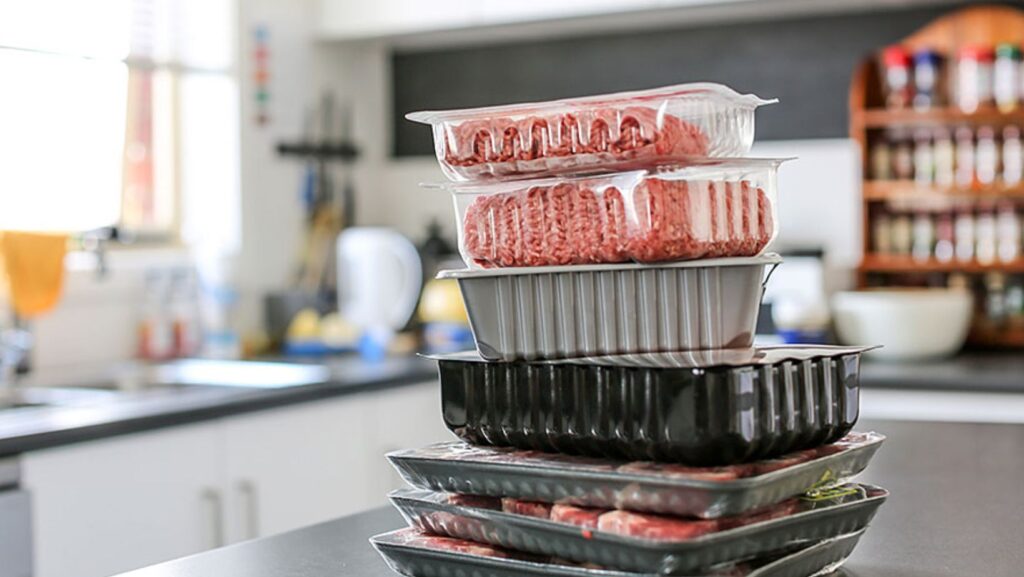
A comprehensive guide to understanding the presence of synthetic particles in the food chain and practical strategies to minimize exposure within the modern home
This article examines the pervasive nature of microplastics, which have infiltrated our oceans, soil, and ultimately, our bodies. By analyzing common sources of contamination and providing actionable advice on food storage, preparation, and purchasing habits, we offer a professional roadmap for those looking to reduce their chemical footprint and protect their long-term health in an increasingly plastic-dependent world
Microplastics have become one of the most stealthy environmental challenges of the twenty-first century, silently migrating from industrial waste into the very food we consume every day. These tiny fragments, often measuring less than five millimeters, are the result of the degradation of larger plastic items or the intentional manufacturing of microbeads for commercial products. Recent scientific studies have confirmed that these particles are now present in everything from the deepest ocean trenches to the high-altitude snow of the Pyrenees, meaning they have effectively entered the global food web at every conceivable level.
As the reality of this contamination becomes clearer, many health-conscious individuals are beginning to realize that ignoring the problem is no longer a viable option. It is a safe bet that the cumulative impact of ingesting thousands of synthetic particles annually will be a major focus of medical research in the coming decade. While we cannot completely erase plastics from the planet overnight, understanding the mechanisms of how they reach our dinner tables is the first essential step toward reclaiming control over our personal well-being and reducing our daily intake of these persistent pollutants.
The Silent Culprits in Bottled Water
One of the most significant contributors to human microplastic ingestion is the consumption of bottled water, which often contains significantly higher particle counts than filtered tap water. The process of bottling, the friction of opening the plastic cap, and the degradation of the PET container itself release thousands of microscopic shards into the liquid. Research has shown that individuals who rely solely on bottled water may be ingesting an additional ninety thousand microplastic particles per year compared to those who drink from glass or stainless steel alternatives.
Switching to a high-quality home filtration system is a powerful way to mitigate this specific risk while simultaneously reducing environmental plastic waste. Carbon block filters and reverse osmosis systems are particularly effective at capturing microparticles that may be present in municipal water supplies due to pipe degradation or source contamination. By investing in a reusable glass or food-grade metal bottle, you create a permanent barrier against the continuous shedding of synthetic polymers that occurs in disposable containers, ensuring that your primary source of hydration remains as pure as possible.
Rethinking Food Storage and Heat
The interaction between heat and plastic is a primary catalyst for chemical leaching and microplastic shedding in the kitchen environment. When plastic containers are heated in a microwave or washed in a high-temperature dishwasher, the polymer structure begins to break down at a molecular level, allowing particles and phthalates to migrate directly into the food. This is especially true for fatty or acidic foods, which act as solvents that pull synthetic additives out of the plastic matrix more aggressively than water-based substances.
To minimize this transfer, it is crucial to transition toward inert storage materials such as borosilicate glass, stainless steel, or ceramic. If you must use plastic containers for cold storage, always transfer the contents to a glass plate or bowl before heating to prevent the thermal acceleration of plastic degradation. Replacing plastic cling film with beeswax wraps or silicone lids also provides a safer alternative for covering leftovers, reducing the direct contact between synthetic films and the moisture of your food, thereby lowering the risk of ingestion.
The Hidden Impact of Synthetic Textiles
It may be surprising to learn that the clothes we wear and the sponges we use to clean our dishes are major sources of microplastic pollution in the home. Every time a synthetic garment made of polyester, nylon, or acrylic is washed, it releases hundreds of thousands of microfibers into the wastewater system, which eventually find their way back into the environment and the irrigation water used for crops. These fibers are so small that they can become airborne, settling on our meals during preparation or being inhaled directly in indoor environments.
In the kitchen, replacing traditional yellow-and-green synthetic sponges with natural fiber brushes or cellulose sponges can significantly reduce the shedding of plastic bits into your cookware. For laundry, using specialized wash bags designed to catch microfibers or installing a permanent filter on your washing machine discharge line can prevent these pollutants from entering the water cycle. Choosing natural fabrics like cotton, linen, or wool not only feels better on the skin but also ensures that your household activities aren’t contributing to the global rain of plastic fibers.
Seafood and the Bioaccumulation Factor
The world’s oceans have unfortunately become a massive reservoir for plastic waste, which has dire consequences for those who enjoy seafood as a primary protein source. Marine organisms often mistake microplastics for plankton, leading to bioaccumulation where smaller fish are eaten by larger predators, concentrating the plastic load at the top of the food chain. Filter feeders like mussels, clams, and oysters are particularly susceptible because they process large volumes of water, often retaining the microparticles within their tissues which are then consumed whole by humans.
While it is difficult to completely avoid microplastics in seafood, consumers can make more informed choices by opting for smaller fish that are lower on the food chain, such as sardines or anchovies, which have less time to accumulate significant pollutants. Furthermore, being mindful of the geographic origin of your seafood can help, as certain coastal regions have higher concentrations of industrial plastic runoff than others. Integrating more plant-based proteins into your diet also naturally reduces the cumulative exposure to the specific types of microplastics found in marine environments.
The Danger of Single-Use Takeout Culture
The convenience of modern takeout comes with a high price in terms of microplastic exposure, as hot food is often placed directly into polystyrene or thin plastic containers. The combination of high temperatures, steam, and mechanical friction from cutlery causes these containers to shed micro-fragments directly into the meal. Even the simple act of drinking a hot coffee through a plastic lid or from a plastic-lined paper cup can result in the ingestion of millions of sub-microscopic particles in a single sitting.
A professional approach to reducing this exposure involves bringing your own containers when picking up food or choosing establishments that use compostable, fiber-based packaging. If you do receive food in plastic, transferring it to a ceramic dish as soon as possible can limit the duration of contact and the amount of leaching that occurs as the food cools. By being proactive about the vessels that carry your hot meals, you significantly cut down on the most direct and concentrated routes of plastic ingestion in a typical urban lifestyle.
Salt and Seasonings: The Unseen Source
Sea salt, once prized for its mineral content and purity, has recently been identified as a consistent source of microplastics due to the contamination of the world’s saline waters. During the evaporation process used to harvest sea salt, tiny plastic fragments remain behind and are packaged alongside the crystals. Studies of commercial salt brands worldwide have found plastic particles in the vast majority of samples, meaning that even our basic seasonings are contributing to our daily synthetic load.
Switching to salt harvested from ancient underground mines, such as Himalayan pink salt or certain types of rock salt, can effectively bypass this modern contamination issue. These salt deposits were formed millions of years ago, long before the invention of synthetic polymers, and are generally free from microplastic pollution. Additionally, being wary of pre-ground spices sold in plastic shakers and opting for whole spices kept in glass jars can further reduce the incidental shedding of plastic from packaging materials during storage.
Kitchenware and the Abrasion Problem
The tools we use to prepare our food can be just as problematic as the containers we use to store it. Plastic cutting boards, for instance, release thousands of micro-shards every time a sharp knife strikes the surface, embedding synthetic bits directly into the vegetables or meats being sliced. Similarly, non-stick pans with PTFE coatings can begin to flake and shed microplastics into your food if they are scratched or overheated, leading to a direct path of ingestion during the cooking process.
Replacing plastic cutting boards with high-quality wood or bamboo alternatives is a simple but highly effective upgrade for any healthy kitchen. Wooden boards have natural antimicrobial properties and do not shed synthetic polymers into your ingredients. Furthermore, transitioning to cast iron, stainless steel, or carbon steel cookware eliminates the risk of consuming non-stick coating fragments. These traditional materials are not only more durable and professional in performance but also ensure that no man-made chemicals are being added to your recipes.
The Role of Dust and Indoor Air Quality
A significant portion of the microplastics we ingest actually comes from the dust that settles on our food while it sits on the counter or the dining table. Indoor dust is a complex mixture of skin cells, pet dander, and a high percentage of synthetic fibers from carpets, upholstery, and curtains. Research has suggested that the amount of plastic we consume via dust falling onto our plates during a meal may actually exceed the amount found within the food itself, highlighting the importance of household hygiene.
Maintaining a clean indoor environment through regular vacuuming with a HEPA filter and damp-mopping can drastically reduce the concentration of airborne microplastics. Keeping food covered until it is ready to be eaten and avoiding the use of synthetic rugs in the dining area are also practical steps to minimize this “falling” contamination. By treating indoor dust as a potential food contaminant, you can create a much cleaner perimeter around your kitchen and dining spaces, protecting your meals from the invisible rain of household plastics.
Conclusion
Reducing microplastic consumption is not about achieving absolute purity in an imperfect world, but about making consistent, informed choices that lower the overall toxic burden on our bodies. By shifting away from bottled water, avoiding the heating of plastics, and choosing natural materials for our kitchenware, we can significantly decrease our daily intake of synthetic particles. These small but deliberate changes in our domestic habits foster a safer environment for ourselves and our families, proving that individual action is a powerful tool against global environmental challenges.
As we move forward, the demand for plastic-free alternatives will continue to drive innovation in packaging and food safety, eventually leading to more systemic changes. In the meantime, the responsibility lies with the conscious consumer to stay educated and proactive about the hidden components of their diet. By implementing the strategies discussed in this article, you are not only protecting your health but also contributing to a broader cultural shift that values long-term sustainability over temporary convenience.
More Stories
Only Five Elite Squads Actually Have a Chance at Winning the Trophy This Year
Log Cabins in Ireland – What to Consider Before Choosing One
CS2 Skin Cashouts vs. Real-Money Platforms: Which Pays You Faster in 2026?