
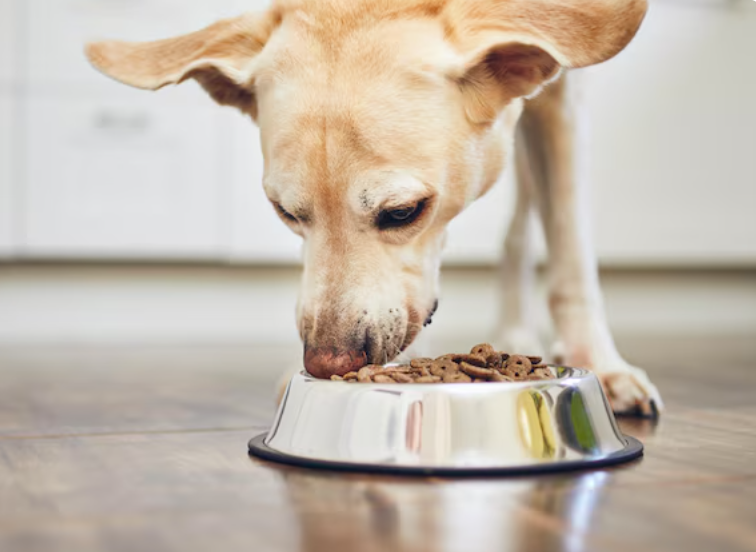
Changing your dog’s diet can feel like a big decision. Whether you’re responding to picky eating, digestive changes, age-related needs, or just looking for a new formula, it’s worth exploring several thoughtful options before making the switch.
Choosing the right food isn’t just about the brand; it’s about understanding how different types of dog food support digestion, energy, and overall well-being.
Here are five food options to consider that can help you make a smoother, more informed transition.
1. High-Quality Dry Dog Food
Dry dog food remains one of the most popular and practical options for everyday feeding. Its balanced nutrient profile, ease of storage, and structured kibble sizes make it ideal for many dogs.
When considering a new diet, choosing a high-quality dry formula can be a good starting point, especially if your dog has been eating a less nutrient-dense option before.
Benefits:
- Balanced nutrition in every bite
- Supports dental health through chewing
- Easy to measure and schedule meals
Best For: Dogs of all life stages that thrive on structured feeding and consistent digestion.
2. Species-Appropriate Formulas Like ACANA Dog Food
Some dogs respond best to formulas that emphasize high-quality, diverse animal proteins and limited fillers. The acana dog food is known for nutrition that mirrors ancestral diets, with a focus on whole meats, organs, and fresh ingredients that support overall health.
These formulas often feature:
- Rich meat content
- Minimal fillers
- Balanced fats and proteins
Benefits: High protein and nutrient density can improve energy, muscle tone, and digestion for dogs that don’t tolerate highly processed foods well.
Best For: Dogs with a stable appetite but a need for richer nutrient profiles.
3. Freeze-Dried Dog Food
Freeze-dried dog food is a minimally processed option that preserves nutrients and flavour without high heat. These products are typically rehydrated before feeding, making them closer to raw diets in texture and nutrient profile but more convenient and shelf-stable than fresh food.
Benefits:
- High nutrient retention
- Minimal processing
- Palatable for picky dogs
Best For: Dogs transitioning from kibble to more natural diets, or those with lower appetite or slight digestive quirks.
4. Limited Ingredient or Single-Protein Formulas
If your dog has shown signs of food sensitivities such as gas, itchiness, or irregular stools, a limited ingredient diet can help narrow down potential triggers. These formulas use fewer components and often focus on a single protein source.
Benefits:
- Easier to pinpoint sensitivities
- Fewer potential allergens
- Simplified digestion
Best For:
Dogs with mild food sensitivities or signs of intolerance.
5. Probiotic and Digestive-Support Formulas
Digestive support is a key part of many newer dog food options. Foods with added probiotics, prebiotics, and easily digestible carbohydrates can help smooth the transition when switching diets.
These ingredients support gut balance, absorption of nutrients, and stool quality, especially important when your dog is adapting to something new.
Benefits:
- Supports healthy gut bacteria
- Encourages regular digestion
- Can reduce transition upset
Best For: Dogs with mild digestive sensitivity or recent changes in appetite.
How to Evaluate These Options
When you’re considering a food change, it helps to look beyond packaging and marketing.
Think about:
- Ingredient transparency: Are proteins clearly named?
- Digestibility: Does the formula include probiotics or gentle carbohydrates?
- Life stage and activity: Does the formula match your dog’s daily energy needs?
Exploring options like simple freeze dried dog food, species-appropriate diets, freeze-dried formulas, or digestive support can give you a sense of what your dog may respond to best.
Safe Transitioning Practices
When you do decide to switch diets, go slowly. A common transition plan looks like this:
- Days 1–3: 75% old food + 25% new food
- Days 4–6: 50% old + 50% new
- Days 7–9: 25% old + 75% new
- Day 10: 100% new formula

This gradual timing supports digestive adjustment and helps you monitor how your dog responds at each step.
Final Thoughts
Choosing the right dog food doesn’t have to be intimidating. Before switching diets, consider how different food options, from balanced dry food to high-protein or freeze-dried formulas, may support your dog’s health and appetite. Paying attention to digestion, palatability, and nutrient quality helps make the transition smoother and more successful.
More Stories
Only Five Elite Squads Actually Have a Chance at Winning the Trophy This Year
Log Cabins in Ireland – What to Consider Before Choosing One
CS2 Skin Cashouts vs. Real-Money Platforms: Which Pays You Faster in 2026?