
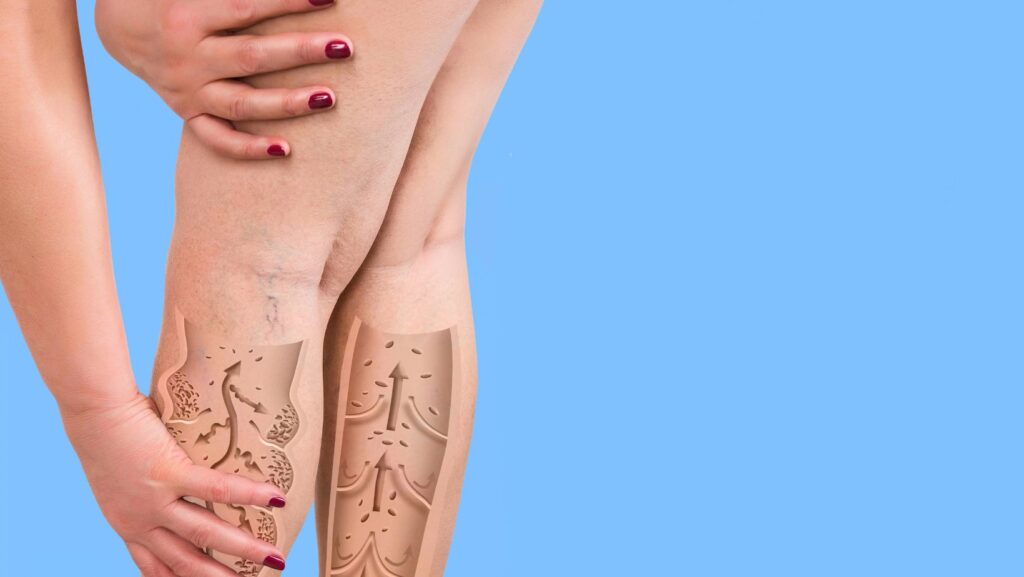
Vein health is crucial not only for physical well-being but also for confidence and self-esteem. Poor circulation can lead to a variety of health issues, making it essential to understand and address these problems early. For those seeking professional care, Metro Vein provides expert evaluation and treatment options tailored to individual needs.
This guide explores the importance of vein health, from recognizing the signs of poor circulation to understanding available treatments and the role of recovery. By equipping yourself with this knowledge, you can take proactive steps to maintain healthy veins, enhance comfort, and restore confidence.
Understanding Vein Health and Common Disorders
A thorough understanding of vein health is fundamental to recognizing and addressing issues as they arise. Veins play a crucial role in our circulatory system, responsible for returning deoxygenated blood back to the heart. When these veins are compromised, various disorders can occur, leading to poor circulation and health-related complications.
Signs and Symptoms of Poor Circulation
The signs of poor circulation can vary widely, but common indicators include swelling in the legs, aching or cramps in the feet and legs, a feeling of heaviness, and skin that feels cold to the touch. More severe symptoms can manifest as persistent fatigue, numbness or tingling in the extremities, and changes in skin color. Recognizing these symptoms early can lead to timely intervention and effective treatment.
Common Venous Disorders Affecting Circulation
Several venous disorders can impede circulation, including varicose veins, chronic venous insufficiency, and deep vein thrombosis (DVT). Varicose veins are swollen, twisted veins that often appear blue or dark purple, and typically occur in the legs due to weakened walls and valves within the veins. Chronic venous insufficiency occurs when the veins cannot efficiently pump blood back to the heart, leading to symptoms such as swelling and skin changes. DVT is a more severe condition where a blood clot forms in a deep vein, often in the legs, and poses serious health risks if the clot travels to the lungs. Understanding these disorders is crucial for individuals to manage their vein health effectively.
The Importance of Professional Evaluation
Seeking professional evaluation for vein-related issues can be the first step toward regaining healthy circulation and confidence.
Choosing the Right Vein Treatment
With myriad treatment options available, consulting a qualified healthcare provider is essential for choosing the most appropriate intervention. Factors such as age, general health, and the severity of vein disorders all play a crucial role in determining the right path forward. A thorough evaluation will guide patients in selecting treatments that maximize effectiveness while minimizing risks.
Minimally Invasive Procedures
In cases where more advanced issues exist, minimally invasive procedures like endovenous laser therapy (EVLT) and radiofrequency ablation (RFA) may be recommended. These options use modern technology to target and treat problem veins without the need for extensive incisions. Patients typically experience less pain and a quicker recovery, enabling them to return to daily activities much sooner.
Post-Treatment Care and Recovery
After undergoing vein treatment, proper care is critical to ensure optimal healing and the effectiveness of the procedure. Patients often receive specific instructions from their healthcare providers, which may include wearing compression garments, incorporating gentle exercises, and avoiding prolonged periods of standing or sitting. Maintaining regular follow-up appointments allows healthcare professionals to monitor recovery and make adjustments as necessary. This proactive approach is essential to achieving lasting results and sustaining improved circulation.
Boosting Confidence After Vein Treatment
The impact of vein health on a person’s emotional and psychological well-being cannot be overlooked. After treatment, many experience a significant boost in confidence and improved quality of life.
Emotional and Psychological Impacts of Vein Issues
Issues like varicose veins can often lead to embarrassment and social anxiety, affecting how individuals dress and engage in activities.

Once treated, patients frequently report feeling more liberated, allowing them to enjoy life without the debilitating concerns that previously held them back.
Building a Routine for Long-Term Circulation Health
To maintain improvements and support long-term circulation health, adopting a routine inclusive of regular physical activity, a balanced diet, and hydration is beneficial. Simple lifestyle changes can effectively enhance vein health and overall well-being, solidifying the confidence gained through treatment.
Conclusion
To conclude, expert vein treatment is pivotal not only for restoring circulation but also for renewing confidence. Understanding one’s vein health and recognizing the signs of poor circulation can help individuals take proactive steps toward managing their condition. From professional evaluations and diverse treatment options to post-treatment care and lifestyle adjustments, taking a comprehensive approach will yield the best outcomes. The journey towards healthy veins is not only about physical restoration but also about enhancing emotional well-being, allowing individuals to embrace life fully.
More Stories
Only Five Elite Squads Actually Have a Chance at Winning the Trophy This Year
Log Cabins in Ireland – What to Consider Before Choosing One
CS2 Skin Cashouts vs. Real-Money Platforms: Which Pays You Faster in 2026?